NEWS

Home / News / Industry News / Why Brake Line Integrity is Non-Negotiable for Vehicle Safety

Why Brake Line Integrity is Non-Negotiable for Vehicle Safety


An In-Depth Look at the Component That Keeps Your Stops Reliable

For many drivers, the braking system is out of sight and out of mind—until something goes wrong. Yet, one of the most overlooked aspects of this system is the network of lines that carry brake fluid. When these lines degrade, the entire braking capability of a vehicle can be compromised. This article explores the critical role of brake line assemblies, common points of failure, and how choosing appropriate replacement parts can help maintain safety on the road.

text

The Vital Function of Brake Tubes in Your Vehicle

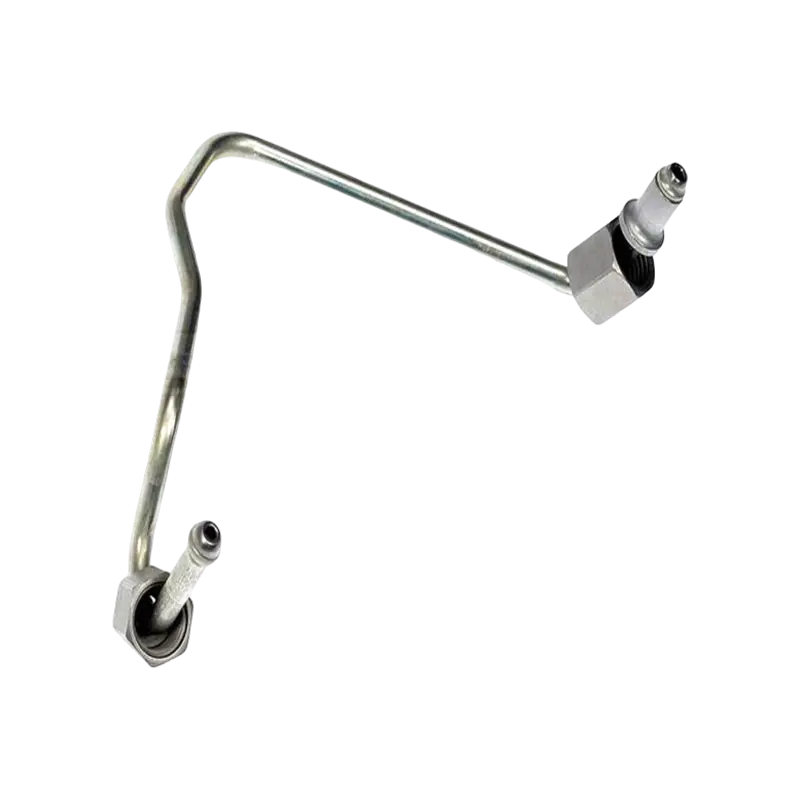
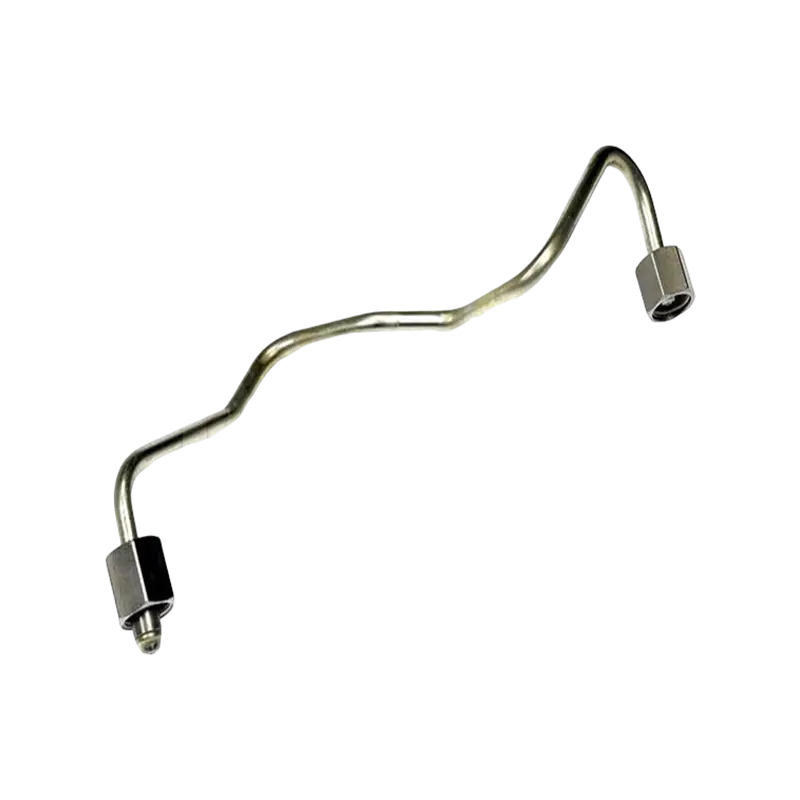
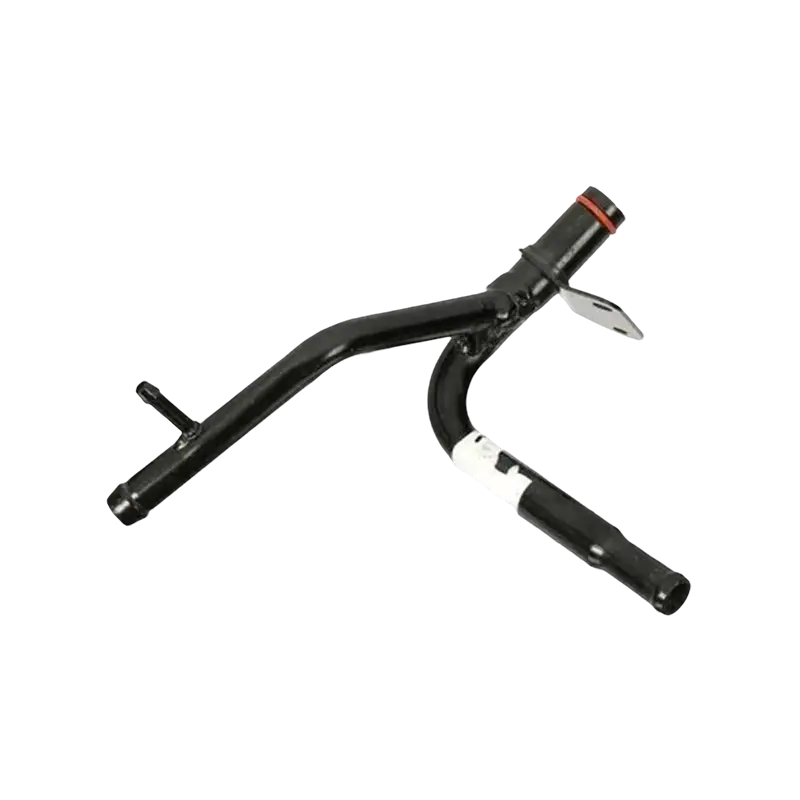
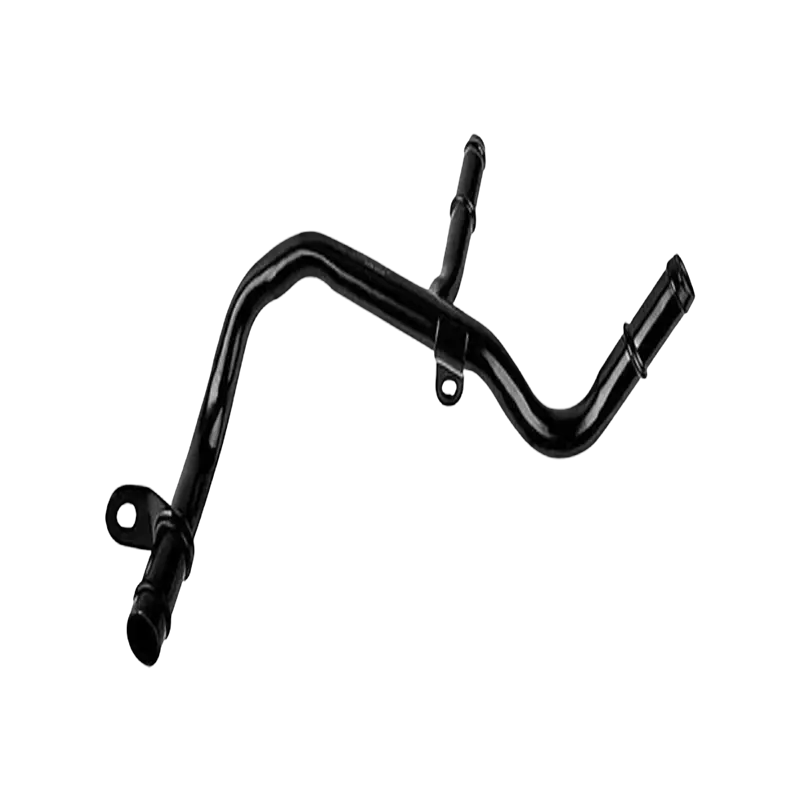
A vehicle's braking system operates on hydraulic principles. When you press the brake pedal, brake fluid is pressurized and travels through a series of tubes to actuate the brakes at each wheel. The brake tube assembly is the conduit that makes this possible. It must withstand high pressures, temperature variations, and environmental exposure without leaking or failing. Unlike other parts that may wear gradually, a brake tube failure often results in an immediate and complete loss of braking power, highlighting its role as a safety-critical component.

Manufacturers design these tubes with specific routing, flare angles, and connection points to ensure consistent fluid delivery. Any deviation in these specifications can affect brake feel, response time, and overall system performance. Therefore, a replacement that matches the original design is important for preserving the vehicle's engineered safety characteristics.

Common Causes of Brake Line Failure

Brake lines are susceptible to several types of degradation over time. The most frequent culprit is corrosion, especially in regions where road salt is used during winter. Moisture and salt can eat away at metal lines, leading to pinhole leaks or sudden ruptures. Additionally, vibration and flexing from normal driving can cause fatigue cracks, particularly at bends or connection points. Physical damage from road debris or improper handling during repairs can also compromise tube integrity.

Signs of impending brake line failure include a soft or spongy brake pedal, visible fluid leaks under the vehicle, or a warning light on the dashboard. If any of these symptoms appear, immediate inspection by a qualified technician is advised. Delaying replacement can risk safety, as even a small leak can allow air into the system, reducing braking effectiveness.

How to Identify a Quality Replacement Part

When brake lines need replacement, vehicle owners face a choice between various aftermarket options and parts that adhere to original equipment manufacturer (OEM) standards. Key factors to consider include material quality, corrosion protection, and fit. A quality replacement will often feature a protective coating to resist rust and corrosion, extending service life. It should also be a direct-fit component, meaning it follows the factory routing and requires no modification for installation. This helps ensure proper clearance from moving parts and prevents kinks or stress points.

Below is a table summarizing characteristics that can be considered when evaluating brake tube replacements:

Characteristic Description Benefit
Corrosion-Resistant Coating A layer applied to the tube to protect against rust and environmental damage. Enhances durability and longevity, especially in harsh climates.
Direct Fit Design Engineered to match the original tube's shape, length, and connection points. Simplifies installation and maintains intended brake system performance.
Compliance with OEM Specifications Meets the safety and performance standards set by the vehicle manufacturer. Helps ensure reliable operation and compatibility with the existing system.
Material Quality Typically made from steel or other metals with good strength and flexibility. Withstands hydraulic pressure and daily driving stresses.

It's worth noting that while cost can be a factor, investing in a well-made part can prevent future repairs and contribute to vehicle safety. Consulting with a professional or referring to technical resources can aid in making an informed decision.

The Importance of OEM Standards in Brake Systems

Original equipment manufacturer standards are benchmarks for safety and performance. These standards cover aspects like material composition, pressure ratings, and dimensional accuracy. For brake components, adhering to these standards is critical because the braking system is integral to vehicle safety. Parts that meet OEM specifications are designed to replicate the performance and reliability of the original equipment, offering a level of consistency that some aftermarket alternatives may not provide.

In the context of brake tubes, this means the assembly will have the correct flare type (such as double flare or ISO bubble flare) to seal properly with the brake system's fittings. Incorrect flares can lead to leaks or blow-outs under pressure. Additionally, OEM-standard tubes are routed to avoid interference with other components, reducing wear over time. When selecting a replacement, verifying that it meets these standards can be a step toward maintaining the vehicle's safety integrity.

Steps to Ensure Proper Installation and Maintenance

Installing a brake tube assembly requires care and precision. It is generally recommended that this task be performed by a skilled technician, as improper installation can introduce safety risks. The process involves safely lifting the vehicle, removing the old tube, and installing the new one without twisting or damaging it. After installation, the brake system must be bled to remove air, which is essential for restoring firm pedal feel.

Regular maintenance can help catch issues early. During routine service, ask your mechanic to inspect brake lines for signs of corrosion, wear, or damage. In areas with severe winters, more frequent checks may be beneficial. Keeping the brake fluid clean and changed at recommended intervals also supports the longevity of the tubes, as contaminated fluid can accelerate internal corrosion.

Addressing Common Misconceptions About Brake Line Replacement

Some vehicle owners believe that brake lines last the lifetime of the car or that any metal tube can serve as a replacement. However, brake lines are wear items that can degrade over 5-10 years depending on conditions. Using generic tubing not designed for brake systems can be dangerous, as it may not handle the pressure or environmental exposure. Another misconception is that a small leak is not urgent. In reality, brake fluid loss can happen quickly, leading to brake failure. Prompt attention to any brake system issue is always advisable.

Furthermore, while aftermarket parts can offer cost savings, they may vary in quality. Checking for certifications or reviews can help identify reliable options. The goal is to find a balance between affordability and assurance that the part will perform as needed.

Conclusion: Prioritizing Safety Through Informed Choices

The braking system is a complex network where every component plays a part in safety. The brake tube assembly, though often unnoticed, is a key link in this chain. Understanding its function, recognizing signs of trouble, and selecting a replacement that aligns with factory specifications can contribute to reliable vehicle operation. By making informed decisions and prioritizing regular maintenance, drivers can help ensure their brakes respond when needed, providing confidence on every journey.

For those seeking further guidance, many suppliers offer technical support to assist with part selection and installation queries. Remember, when it comes to brakes, there is little room for compromise—choosing quality components and professional service is an investment in safety.